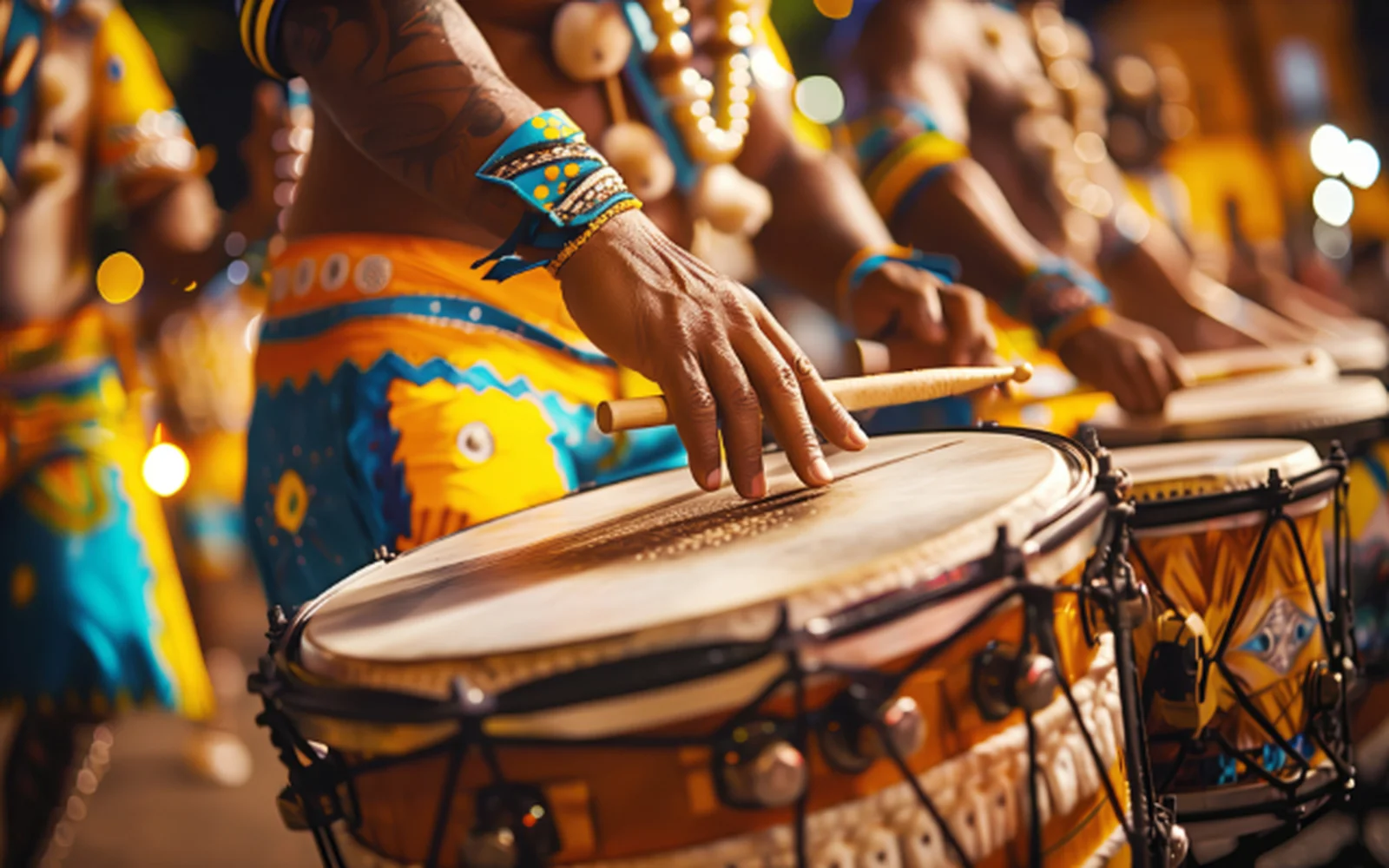
Hand Percussion Lessons in London
One-to-one hand percussion lessons in Islington, spanning Afro-Cuban, Brazilian and West African traditions, Middle Eastern rhythm, and the roots of funk, reggae and house. Taught by professional working drummers in our sound-treated studios.
You don't need any background in these traditions to start. Many of our students come to percussion through dance music, house, production, or a band that needs a different rhythmic flavour. The patterns you'll learn here are the same ones underneath the music you already listen to, whether that's a classic salsa or house track. We teach the traditions properly, and we teach you how they show up in what you're making or playing today.
What you'll learn
Five layers, each building on the one before. Your tutor will tailor the focus to your goals and experience.
Afro-Cuban hand percussion
Congas first, then the wider Afro-Cuban family. We teach the instruments as living traditions: the technique, the patterns, and the cultural context.
Brazilian percussion family
Brazilian percussion is the other big strand of what we teach. In your one-to-one lessons you'll work through the core grooves on both drum kit and hand percussion, building the feel and independence they need.
The core grooves and instruments:
- Samba variations (the family is wide, and we explore several of them)
- Baião: the rolling rhythm of northeastern Brazil
- Bossa nova: the gentler cousin of samba, which makes a beautiful entry point
- Pandeiro, agogô, tamborim, cuíca, repique and surdo: the instruments that give Brazilian percussion its distinctive layered sound
We teach these both as standalone percussion styles (drum kit and supporting percussion working together) and as kit-based forms for drummers wanting to add Brazilian vocabulary to their kit playing.
West African percussion
The root tradition behind so much of what's above. Djembe brings a different physical vocabulary to hand percussion, and a direct line to the rhythms that shaped Cuban and Brazilian music centuries ago.
Djembe hand technique: bass, tone and slap, and how they differ from conga technique.
Traditional West African rhythms and their call-and-response structure.
Udu: a clay pot drum with a distinctive, breathy low tone.
Indian and Middle Eastern rhythms
Middle Eastern rhythmic patterns, presented on the hand percussion instruments you're already learning, alongside konnakol: the South Indian tradition of speaking rhythm before you play it.
From tradition to modern music
This is where it gets interesting. Every pattern above traces back to shared rhythmic roots, carried across the Atlantic, reshaped in Cuba, Brazil, West Africa and the wider diaspora, and still audible today in music that draws on the same underlying patterns.
Those same roots seeded contemporary music in ways most people don't notice until someone points it out:
The 16th-note phrasing and syncopation owe everything to Afro-Cuban patterns.
The one-drop and steppers grooves carry direct African lineage.
The bass-and-drum patterns of classic house music are clave-derived.
Once you've learned the traditional patterns, your tutor can show you how they appear in the modern music you already listen to. That double perspective (traditional and contemporary) is something you won't get from a generic percussion class.
Across all traditions
Posture and stamina
Avoid injury and play comfortably for hours.
Reading clave and feel
Internalise the 3:2 or 2:3 backbone that runs through nearly all this music.
Listening, locking in, and playing in an ensemble
Understand how percussion functions inside a band.
Who these lessons are for
Kit drummers wanting a second voice
A huge number of our percussion students are drummers first. Conga and Brazilian percussion give you a different physical relationship with rhythm, deepen your sense of clave and feel, and give you something new to bring to band settings where a full kit isn't appropriate.
Latin music lovers
If you've been listening to Buena Vista Social Club, Tito Puente, João Gilberto or any of the great Cuban and Brazilian records all your life and you're ready to step inside the music, this is how you do it.
Adult beginners with no drumming background
Conga is a kind, physical, beautifully tactile instrument to start with. You'll have a good open tone and bass tone by the end of your first lesson. The patterns build slowly and naturally, and they sound musical from very early on.
Band members wanting to add percussion
Guitarists, singers, bassists who want to bring percussion into their band (congas, shaker, clave, cowbell). We'll teach you the patterns and the band roles that make percussion lock with the music.
Anyone curious about hand drumming
Some of our best students walked in with no plan beyond "I've always wanted to try it." That's a perfect reason to start.
Lessons for children
We can teach conga to children from age 8 (subject to physical size, as they need to be able to comfortably sit at the drum). 25-minute lessons, fast-paced, fun. Hand percussion is brilliant for kids because progress is immediate and audible.
For younger children interested in percussion, we can introduce hand-drum technique through smaller instruments and body percussion, then move onto congas when they're physically ready.
Why Planet drum for conga lessons?
We've been teaching congas and hand percussion since the school's earliest days, as part of a broader rhythm-and-percussion offering that runs across drums, kit, Latin and Brazilian traditions. Our conga tutors are all professional working drummers who play congas across band work, recording sessions and live performance, bringing all of that into the lesson room.
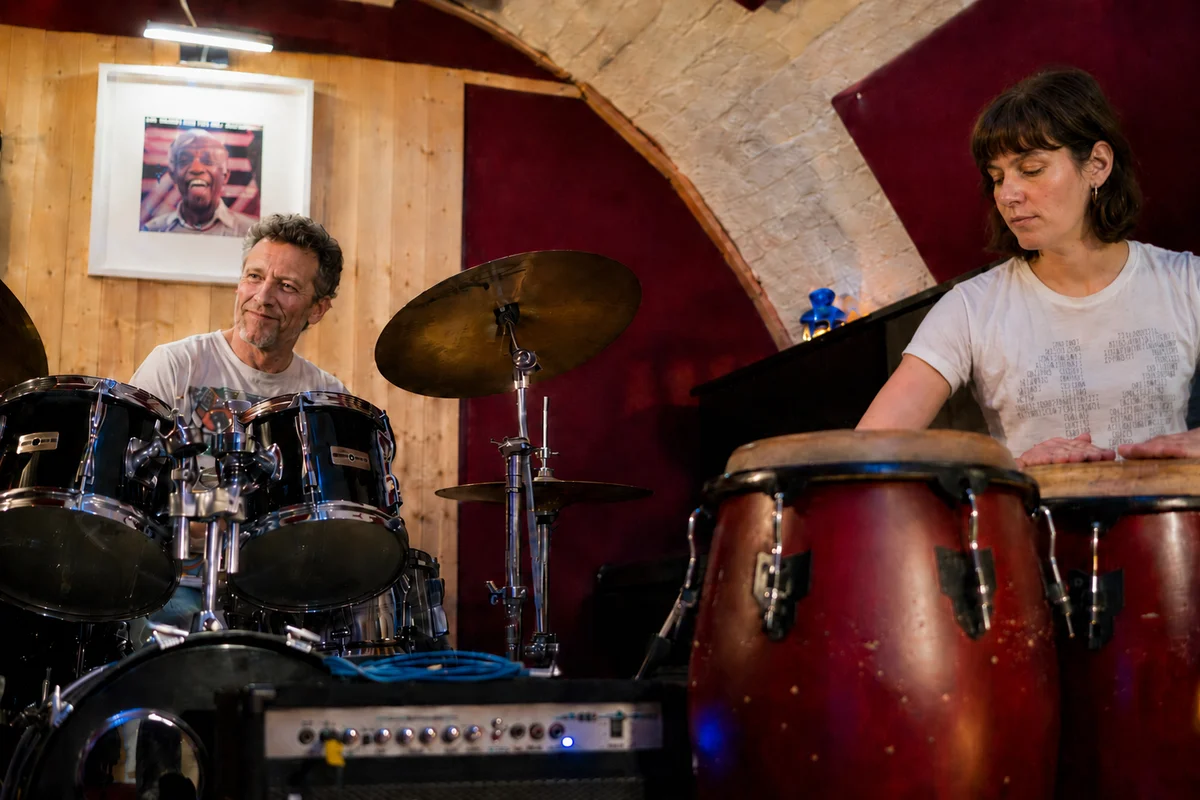
Our Islington studios are sound-treated (helpful, because congas are loud), and you're four minutes from Highbury & Islington station (Victoria line, Overground, and National Rail).
Do I need my own instruments?
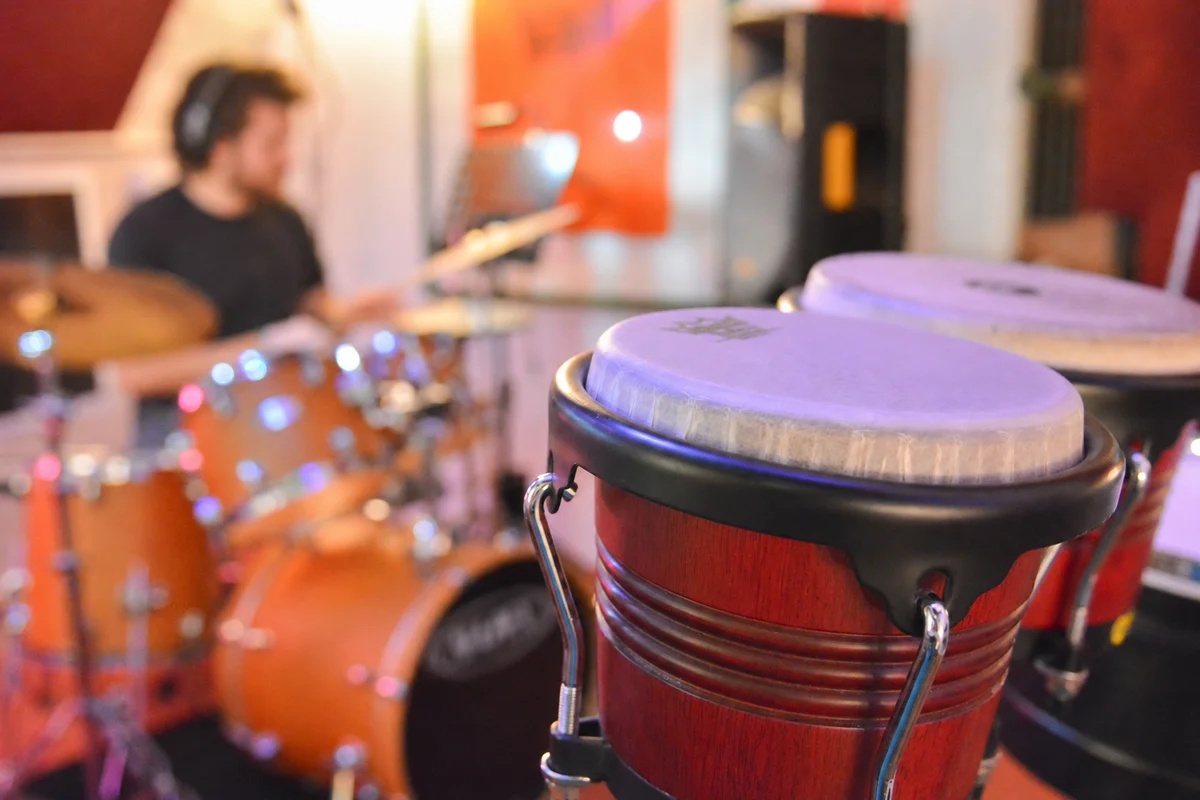
No. We have a full range across every tradition we teach:
- Afro-Cuban: congas (quinto, conga, tumbadora), bongos, timbales, claves, cowbell, guiro, shekere
- Brazilian: pandeiro, agogô, tamborim, cuíca, repique, surdo
- West African: djembe, udu
Plus full drum kits in every teaching room for kit-based work.
If you want to buy your own instruments eventually, your tutor will help you choose the right brand and sizes during your lessons.
How to start
1. Book a conga taster
£27 for children, £49 for adults. One 1-to-1 with the tutor who'd teach you ongoing. Tell us your interest (Afro-Cuban, Brazilian, both) when you book.
2. Pick a membership
Children's, adult or shared (great for two friends wanting to learn together). All include free practice room slots and free concert rehearsals.
3. Play
Percussion students are welcome at our seasonal student concerts, and we've had brilliant percussion-led performances at past gigs.
Who teaches conga at Planet drum
Four of our tutors teach conga and percussion. All four are professional working drummers with years of band, recording and live experience between them, and all four play congas across their wider musical practice. Tell us your goals when you book and we'll match you with whichever tutor's approach fits best.
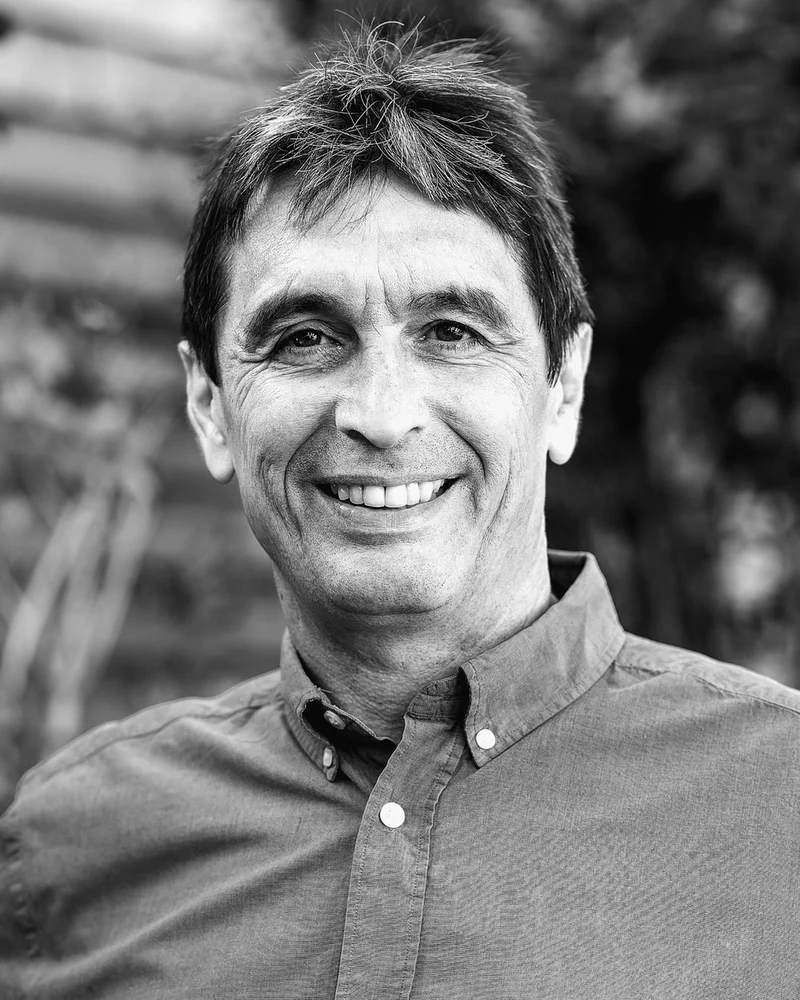
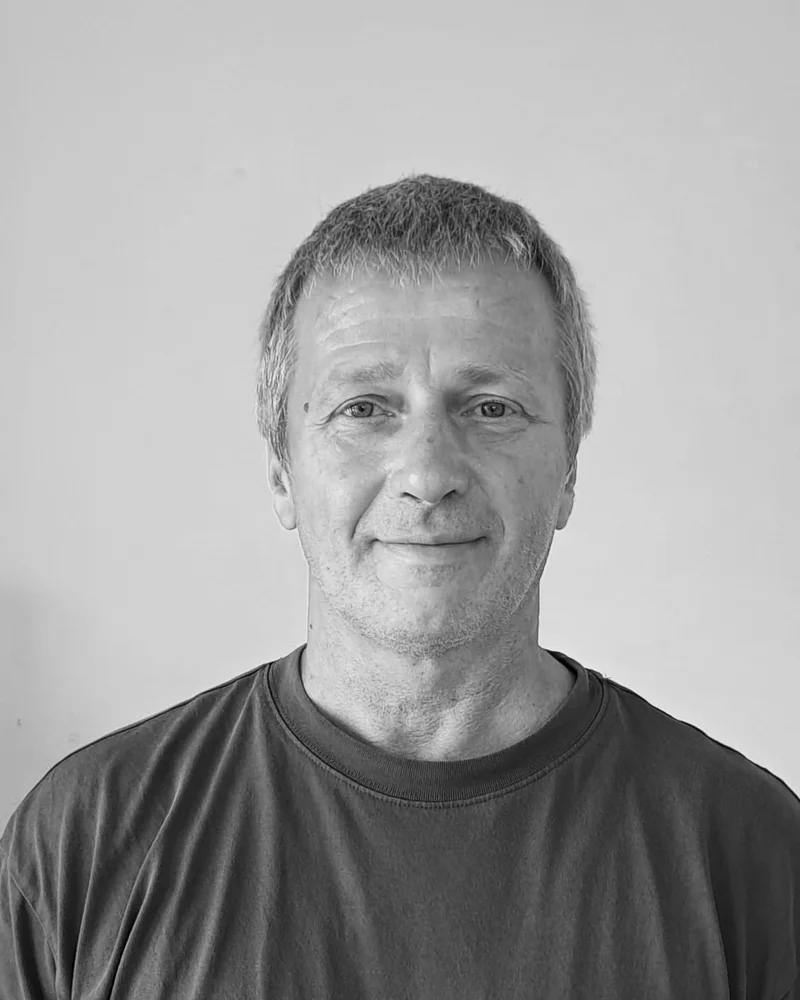
Alain Maurel
Alain co-founded Planet drum in 1997 and has taught percussion alongside drum kit at the school ever since. He brings a working knowledge of ethnic and dance rhythms, built up over years of recording sessions and band work, into every lesson.
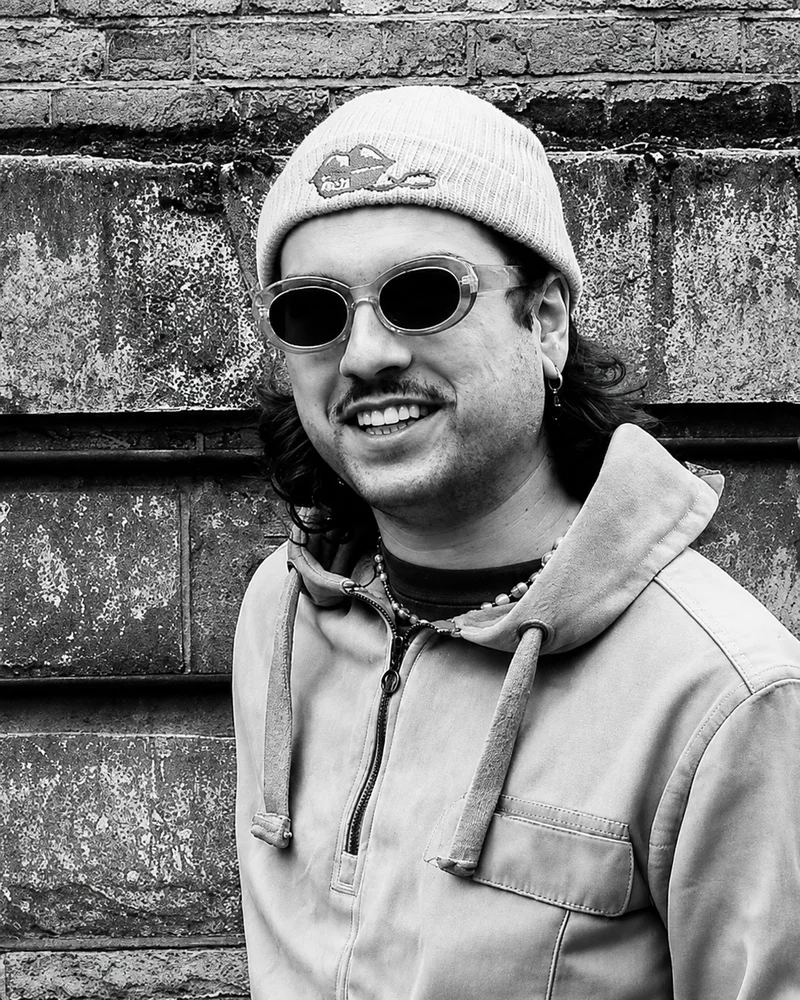
Louis Pocock
Louis has taught drum kit and percussion at Planet drum since 2002 and currently plays drums with Afrik Bawantu, an Afro-fusion band drawing from West African and Latin traditions. That immersion in African-rooted music shapes how he teaches percussion; he hears the connections between traditions and brings that musical context into the lesson room.
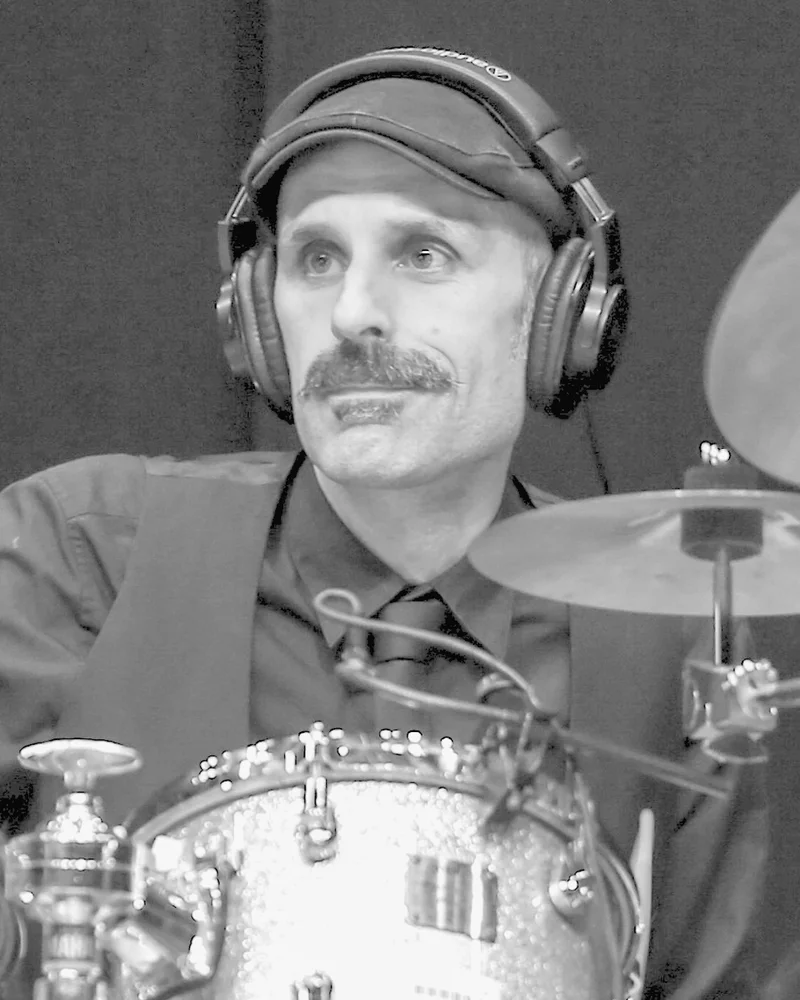
Radovan Brtko
Originally from Slovakia, Radovan started touring at 13 and now has over 12 years of professional performing experience across more than 40 artists and bands. His range spans hip-hop, jazz, R&B, funk, EDM, pop, rock and Latin. He brings a wide cross-genre vocabulary to teaching and adapts his approach to whatever direction his students want to take.
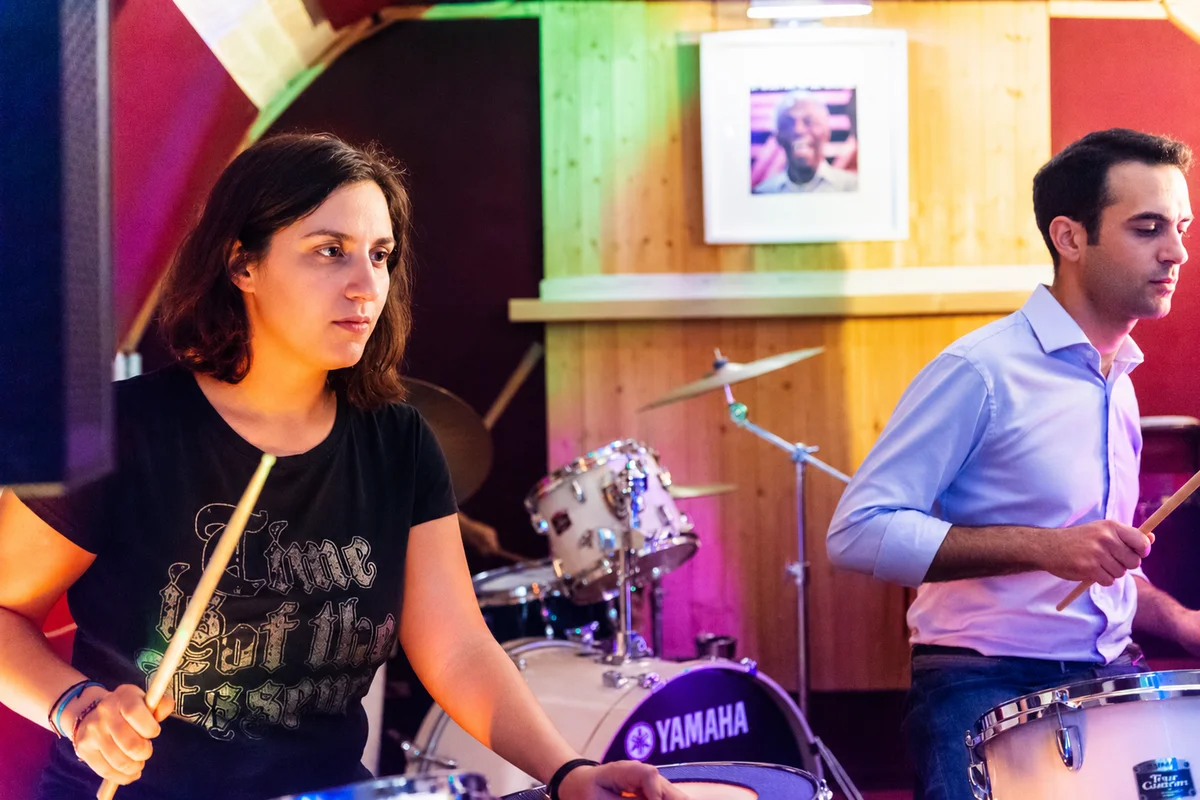
Rastko Rasic
Rastko is a drummer and percussionist from Belgrade, Serbia. He trained on scholarship at Berklee College of Music before moving to London, where he's immersed himself in jazz, pop and world music. He's performed, recorded and toured extensively with groups including Paprika and Balkanatics, drawing throughout on the rich rhythmic tradition of the Balkans.
Latin percussion lessons FAQs
Have questions about Latin percussion at Planet drum? Find your answers here, or get in touch directly.